
A written scope before major work
You should know what is being cleaned, what is being replaced, and what is excluded before repairs begin, especially when multiple rooms and trades are involved.
Serving Austin, Texas & surrounding areas
When a fire hits, fast, careful work matters. We stabilize the structure, remove smoke and soot residue, manage odor, and coordinate the repair plan so your home or building can be used again as soon as it is safe.
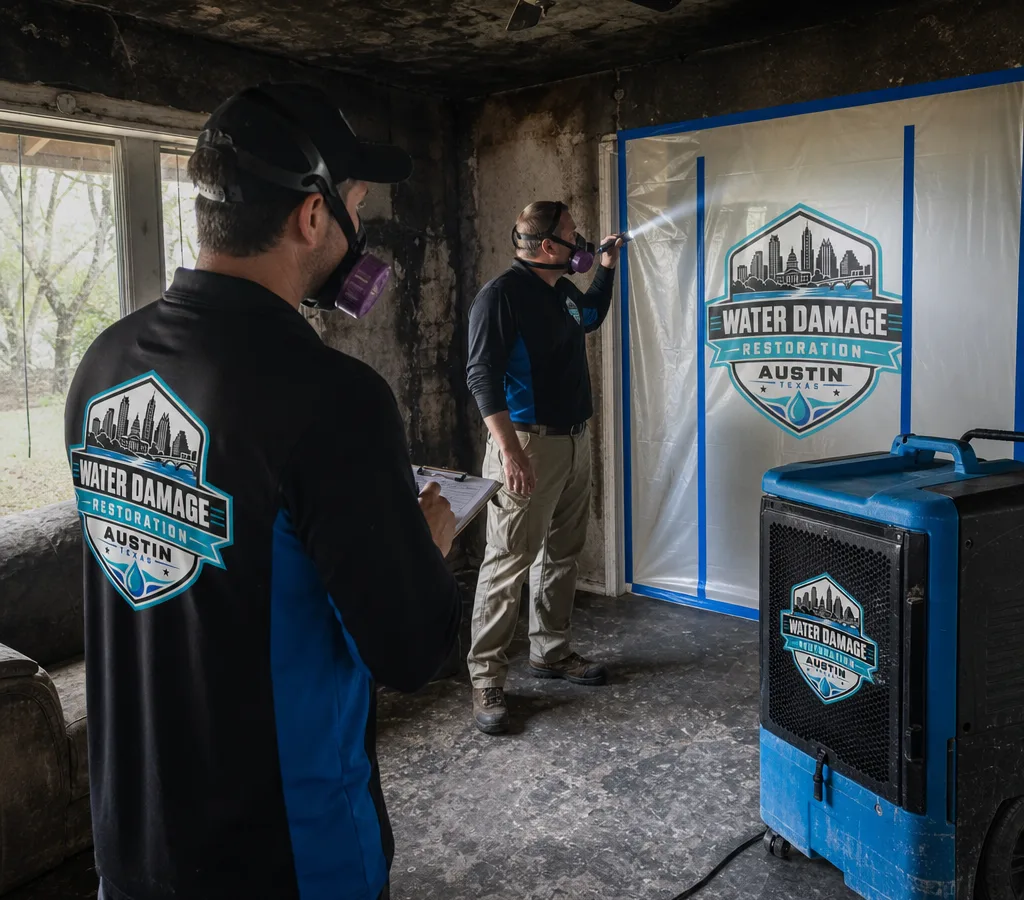
If you are searching for fire damage restoration Austin help, the first goal is to stop the damage from spreading. Smoke and soot can keep corroding metal, staining walls, and contaminating soft goods long after the flames are out. Water used to put out the fire can also soak framing, drywall, and flooring, which raises the risk of swelling, delamination, and microbial growth.
A solid first response is usually a mix of:
In Austin, downtown condos and newer Mueller homes can have tighter envelopes where smoke odor lingers in HVAC returns and soft finishes. Older Hyde Park homes may have plaster, original trim, and layered paint that require gentler cleaning choices. Whatever the construction, the sequence remains the same: make it safe, stop cross-contamination, document conditions, then clean and restore with a clear scope.
Fire restoration is not one task. It is a controlled workflow that keeps soot, odor, and moisture from turning a contained loss into a whole-building problem.
We identify what is salvageable, what needs replacement, and what requires specialty handling. This includes checking for hidden soot in wall cavities, attics, and return-air pathways.
If windows, doors, or roof areas were damaged, we secure openings to protect the property and reduce further intrusion.
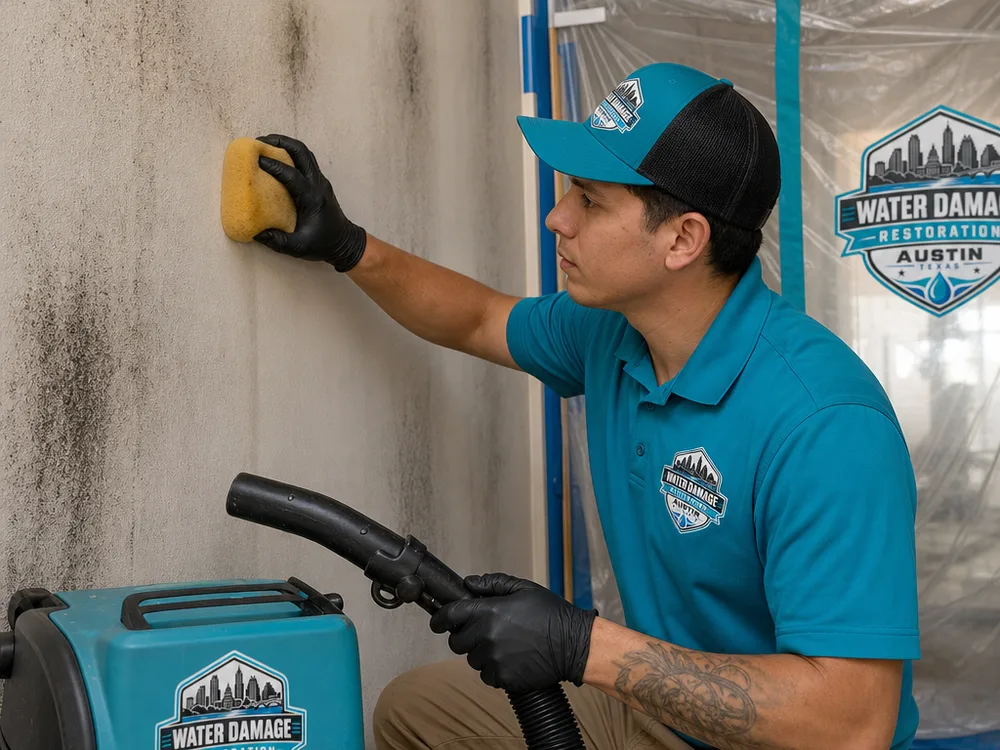
Protein soot from kitchen fires and synthetic soot from plastics can smear, stain, and etch finishes if handled incorrectly. Methods may include dry sponges, controlled alkaline cleaners, and HEPA vacuuming.
Smoke can travel through ductwork. We establish air scrubbing and negative pressure where needed and address registers and returns in the plan.
Odor removal is approached in layers: source removal first, treatment where appropriate and safe, and final verification. If suppression water remains, drying and dehumidification become part of the same stabilization plan.
You should know what is being cleaned, what is being replaced, and what is excluded before repairs begin, especially when multiple rooms and trades are involved.
Soot can permanently stain porous surfaces and etch metals and glass. Correct technique reduces the risk of making damage worse during cleanup.
Real smoke odor control starts with removing residue from surfaces and contents, then treating remaining odor in air and materials.
Isolation barriers and filtration help keep unaffected rooms from becoming part of the loss, which can reduce the overall repair scope.
Cleanup and deodorization should end with clear conditions for repair work: dry materials, clean substrates, and documented completion.
We start with a practical safety review of affected areas, then secure openings and set a plan for access, power, and ventilation.
We isolate affected zones using plastic, zipper doors, and filtration so soot stays where it is being cleaned. HEPA air scrubbers reduce airborne particulates.
We remove loose soot and debris first, then clean surfaces using methods matched to the material and residue. Contents are triaged for cleaning, pack-out, or disposal.
If suppression water or sprinkler discharge occurred, we dry materials with dehumidifiers and targeted airflow, using moisture readings to guide decisions.
We apply odor control after source removal and verify results room by room. Materials that continue to release smoke odor may need replacement rather than masking.
When cleaning is complete, we document conditions and outline what is ready for rebuild. That keeps repairs predictable and reduces rework.
Fire damage restoration in Austin typically ranges from about $2,500 to $12,000 for a small to moderate room or partial-area loss, while larger, multi-room events with heavy soot, odor, and demolition can run $15,000 to $50,000+ depending on scope. Light smoke cleanup with minimal material removal sits at the low end; heavy residue, contents cleaning, and structural cleaning move costs up.
Final price depends on affected square footage, soot type, how far smoke traveled—including through HVAC—what materials must be removed, access, and whether suppression water requires drying. Exact pricing is confirmed after an on-site inspection and written scope.
“After a small kitchen fire, the smell was everywhere and the walls were tacky with soot. The crew contained the area, cleaned methodically, and explained what could be saved versus what had to go. The odor was finally gone once the cabinets and vents were addressed.”
“We were worried smoke had gotten into the whole house. They tested rooms, set up air scrubbers, and didn't oversell work we didn't need. The written scope made it easy to coordinate repairs afterward.”
Start as soon as the property is released for access and it is safe to enter, ideally within 24 to 48 hours. Soot can stain and corrode surfaces quickly, while suppression water can soak into drywall and flooring in the Texas heat.
Smoke odor can usually be removed when source residue is fully cleaned and odor-holding materials are treated or replaced. Odor often returns when soot remains in porous materials, cavities, or HVAC pathways, so those areas must be addressed rather than only fogging the air.
Soot cleanup is the cleaning and deodorization work that returns surfaces to a non-contaminated condition; rebuilding is the repair and replacement of damaged building materials. A clear scope separates these tasks so timelines and responsibilities are understood.
It depends on how much of the home is affected and whether soot and odor can be contained. Limited losses may allow partial occupancy, but heavy smoke spread, compromised HVAC, or extensive demolition usually makes staying impractical.
It can, especially if the system ran during or after the event. Returns can pull particulates through ductwork and deposit residue at registers, so filtration, shutdown procedures, and cleaning needs should be evaluated as part of the plan.
Keep them in place until assessed because moving items can spread soot. Electronics may need specialized cleaning due to corrosive residue, while textiles often require controlled laundering or deodorization. Some deeply affected items are better replaced.
Yes. High heat and humidity can accelerate odor absorption and make drying suppression water more urgent. Busy Austin repair schedules also make clear completion documentation important so rebuilding can begin without avoidable delays.
If you need fire damage restoration in Austin, the next step is a site inspection and a written scope so you can protect the property and move forward with cleanup and repairs confidently.
Call for Emergency HelpTell us what happened, what areas were affected, and whether there was suppression water. We will schedule an inspection, explain what can be cleaned versus replaced, and lay out the steps to get your space back to a safe, usable condition.